News
Western Tanker Sales Feed Russia's Shadow Fleet: Tracking Physical Flows
An investigation reveals Western shipowners sold over 230 aging crude tankers to Russia's shadow fleet for six billion dollars. Here is how traders verify where those vessels move when AIS feeds go dark.
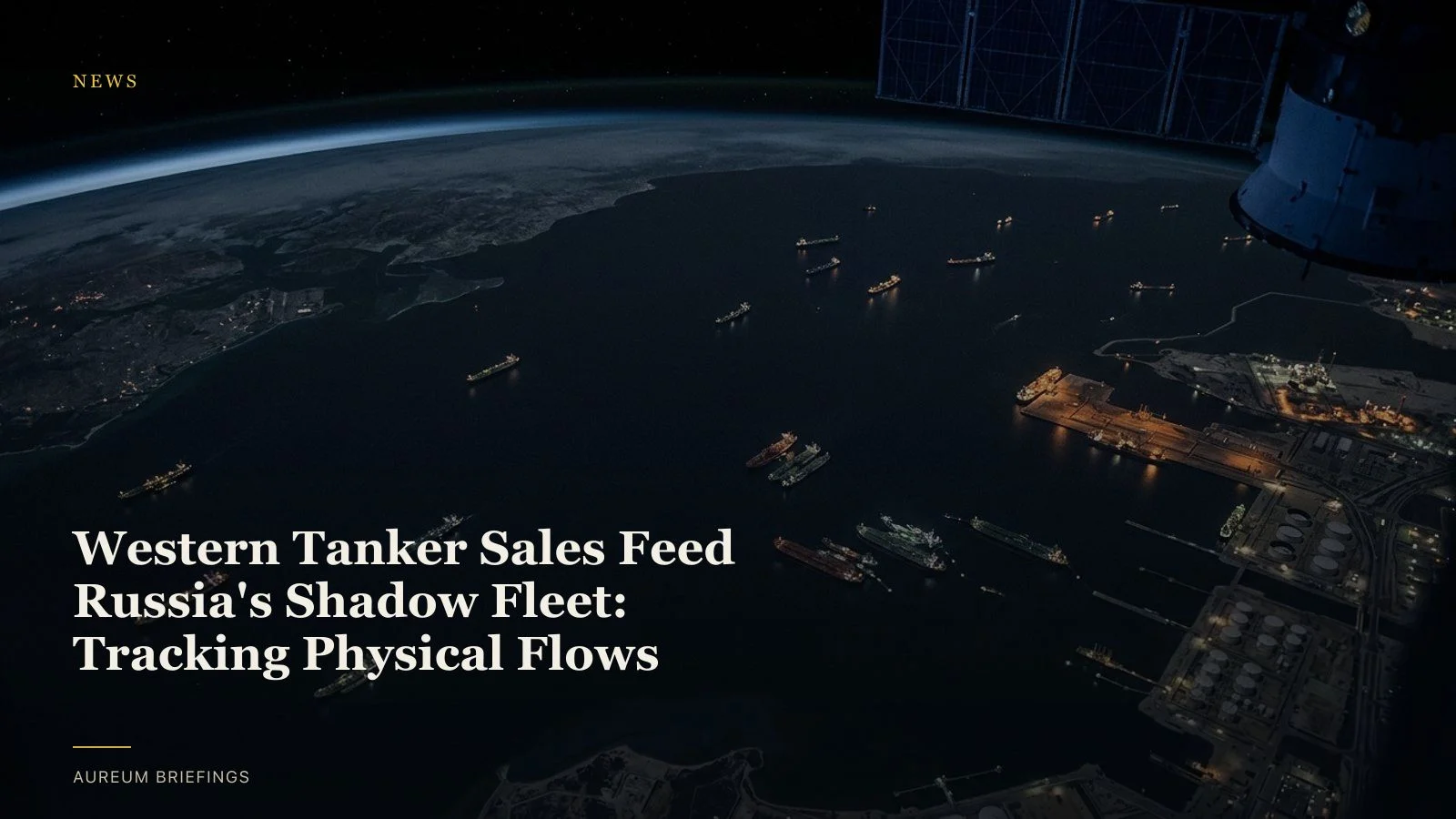
Six billion dollars in aging tankers shift off the grid
A joint investigative report into shadow fleet tanker transactions reveals that Western shipowners have earned over six billion dollars by selling 230 aging crude tankers into Russian shadow fleet operations. More than a third of the active dark fleet consists of vessels previously owned by companies based in countries enforcing sanctions.
These aging vessels routinely operate under obscure ownership structures, flags of convenience, and without tier-one international maritime insurance. As sanction enforcement tightens, these tankers increasingly turn off their automatic identification systems (AIS) or manipulate position signals during offshore ship-to-ship transfers.
Buyer trade-offs and secondary tariff risks
The expansion of shadow fleet transport facilitates heavy crude deliveries to Asian refining hubs, but creates sharp political trade-offs for importing nations. Recent analysis on energy security trade-offs highlights how buyers in major markets like India must weigh cheap energy imports against potential US tariff risks and secondary sanctions.
When official trade data lags by months and maritime transponders go silent, commodity traders cannot rely on public manifest filings to estimate physical supply arrivals at discharge terminals.
How satellite radar sees through transponder gaps
Relying solely on AIS vessel feeds creates severe blind spots across key energy corridors. Synthetic aperture radar (SAR) passes through clouds and darkness, detecting metallic hull structures regardless of whether onboard transponders are active.
By comparing satellite radar signatures over time, analysts measure vessel draft changes to confirm whether a tanker is laden or in ballast. When combined with thermal infrared observation at coastal storage terminals, satellite data provides a physical baseline of actual oil transfers.
Turning physical tracking into market decisions
For commodity traders and DIY investors, monitoring shadow fleet logistics is essential for assessing true market supply. Unexpected crude arrivals or enforcement bottlenecks directly impact spot crude differentials and shipping freight rates.
With Query, you can ask plain-language questions about specific anchorage zones or import terminals. With Track, you monitor critical maritime corridors and storage facilities with satellite-backed evidence as physical data updates, giving you clarity before public reports hit the market.
Verify physical energy flows with satellite intelligence
Free to join during the beta. Ask direct questions with Query or monitor real-world assets on Track.